
Behind every strong wake community there is someone willing to put in the time. Early mornings, long days on the water, and the patience to guide riders through their first starts and biggest breakthroughs. That commitment is exactly why we are proud to support Kirby Liesmann and Kirby’s School of Wake, supplying the vests, handles, and lines used day after day on the water. Kirby has built School of Wake around that same dedication. What began as a way to support his own riding has grown into a place where riders of all levels can learn, progress, and feel part of something bigger. After receiving the WSIA Larry Meddock Award, we caught up with Kirby to talk about his journey, the philosophy behind his coaching, and the role wake schools play in shaping the future of the sport.

You recently received the WSIA Larry Meddock Award. What did that recognition mean to you and what does the award represent within the wake industry?
Receiving an award as prestigious as the WSIA Larry Meddock Award is honestly a dream come true. It means so much to me and my family because it reflects years of hard work and dedication as we’ve built our wake school and been given the opportunity to invest in our students as they experience breakthrough on the water.
What makes it especially meaningful is that it represents far more than instruction alone. It speaks to the impact we’ve had in helping people deepen their passion for watersports while creating an environment where they feel supported, encouraged, and part of a community.
It was also incredibly special that so many of our devoted customers took the time to write testimonials as part of the nomination process. That made the recognition even more significant because it showed the impact our wake school has had on people’s lives and on their journey in the sport.

Take us back to the beginning. How did you first get into wakeboarding and what pulled you into the sport?
I grew up in a recreational boating family, so some of my earliest memories are on the water. When I was seven, my older brother tried wakeboarding, and not long after that, I got a board in my size. It quickly became my favorite sport, and I looked forward to riding every chance I got.
The real turning point for me was after my first competition. That experience made me want to go all in on wakeboarding. From that point on, I was hooked, and I’m still just as passionate about the sport today as I was the first time I got up on the board.

When did the shift happen from riding and competing to coaching and building Kirby’s School of Wake?
Those two paths started to merge pretty early for me. I was always getting friends to come out on the boat and teaching them how to ride, and as I got older, I naturally found myself helping people in our riding group learn new tricks and clean up their contest passes. Later on, local shops started having me help with clinics and demos.
That made the transition into starting Kirby’s School of Wake feel very natural. While I was in college, I realized that building my own coaching business could create a steady source of income while also giving me consistent access to boats so I could keep progressing in my own riding and stay competitive on tour. Over time, what started as a way to support my riding grew into something much bigger, and that eventually became Kirby’s School of Wake.

What was the original vision for Kirby’s School of Wake and how has it evolved since you started it?
At its core, the vision has mostly stayed consistent from the beginning. It was always about creating a safe fun environment for people to come together and learn something new. I've always strived for it to be a place where people could have everything they needed to experience success, from the best boats and equipment to a clear process for learning and progressing, no matter their age or ability level.
As we grew from doing private lessons and then introduced themed camps and group sessions, we were able to build more of a true community around the school. From there, we also became a resource for helping students know what equipment and boats would best support their next steps in the sport.
Now the vision has expanded even further into training and equipping young adults who have a passion for being on the water with the skills they need to become instructors themselves. That has allowed us to expand our impact by getting even more people on the water and helping them have a great experience.

What makes your coaching approach or philosophy different from other wake schools?
What makes my coaching approach different is that it was shaped by my own learning experience being coached by some of the best in the industry, including Dave Briscoe, Shaun Murray, Darin Shapiro, Mike Ferraro, Ryan Jones, and Chad Brown. When I was preparing to open my own wake school, I trained with top coaches in Orlando, and after my sessions were over, I would stay and observe how they coached other students throughout the day.
That helped me develop a philosophy that goes beyond just teaching technique. I focus on giving students a clear path for progression, helping them build confidence, and working through the mental side of learning just as much as the physical side.
We’ve also created a trick progression program called the Achievement Challenge, which gives riders clear trick goals in boat wakeboarding, cable, wakesurf, and foil. It helps gamify their progress while also showing them which tricks should come in the right order.

Is there a student story or breakthrough moment that really stands out from your time coaching?
Absolutely. One moment that really stands out was helping my longtime student, Brody Spriggs, land his heelside backside 540. I had been coaching him since he was a little kid, starting with his first wake jump, so to see him reach the level where he could land a trick that was such a huge challenge for me personally was an amazing full-circle moment.
That trick was something I worked very hard to learn myself and needed a lot of help from other coaches along the way, so being able to help Brody achieve it was incredibly meaningful. It is definitely a moment I will never forget. As a rider and a coach, it is amazing because I almost get to relive the rush of landing a new trick every time I get to help lead a student to a breakthrough.

What does a typical day look like for someone coming to Kirby’s School of Wake for the first time?
A typical first day at Kirby’s School of Wake starts with making sure we have the right gear on the boat for the student, including the best board options and sizes for their ability level and preference. We’re always excited to work with new students, no matter where they are in their journey.
Once we get on the water, we do a general skills evaluation, talk through their goals, and build the lesson from there. We usually let them ride first so we can see what we’re working with, then focus on strengthening fundamentals before moving into more specific skills or tricks.
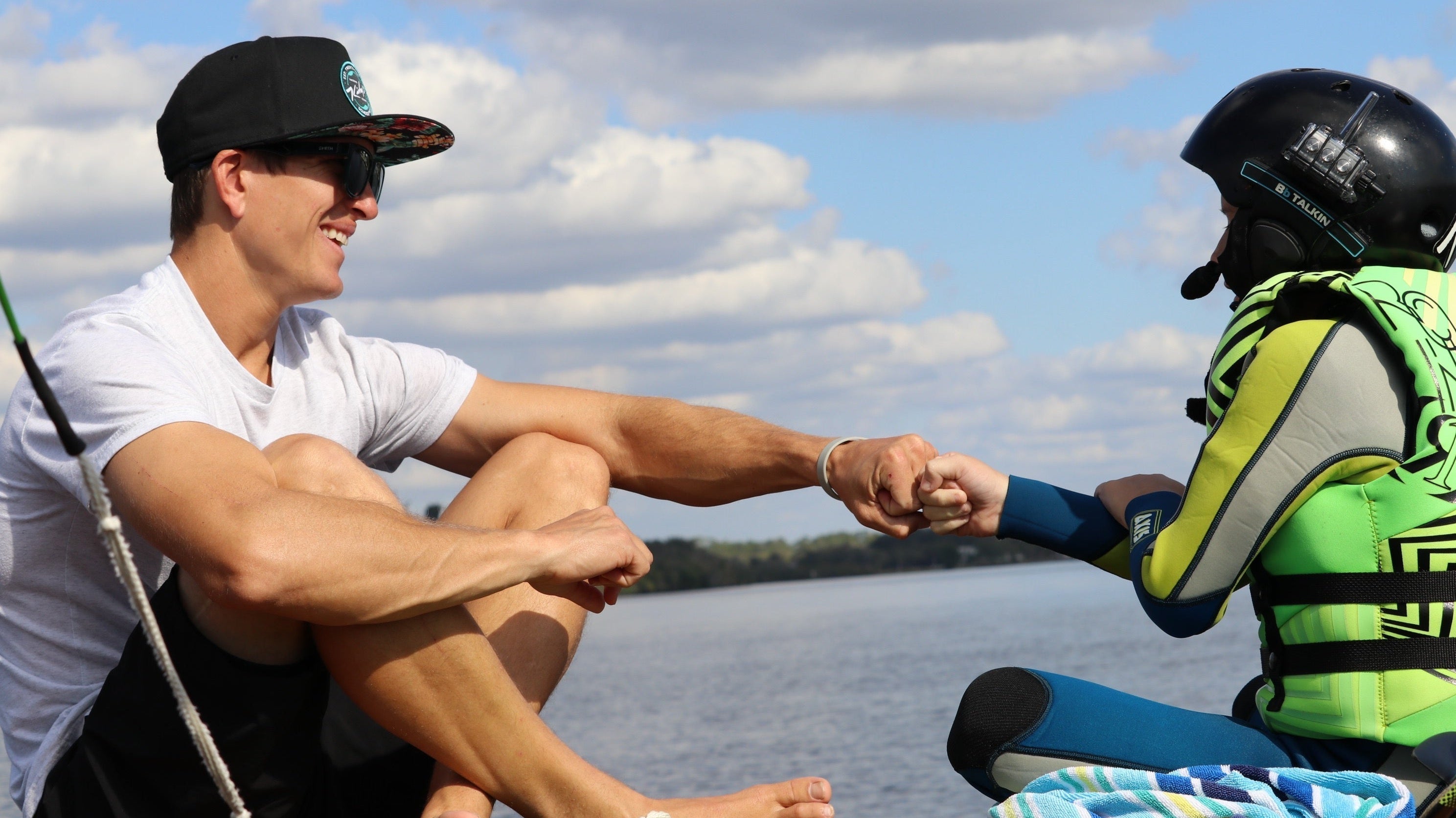
One of the biggest game changers for us has been the BB Talkin’ intercom system. It allows us to communicate with riders in real time and help them make subtle changes on each attempt without having to stop the boat. That makes coaching much more efficient and gives students the chance to try things differently right away while the feel is still fresh.
We also like to include video review when possible and send students away with drills they can work on so they are set up for success the next time they ride.

How important are wake schools and grassroots coaching programs for the long term future of wakeboarding?
Wake schools and grassroots coaching programs are incredibly important because they give people an easy, low-pressure way to get involved in the sport at a minimal cost while providing everything they need for a great first experience. That helps make wakeboarding more approachable and gives new riders a reason to come back.
They also help people stay in the sport longer by teaching proper technique from the beginning, which helps riders progress with more confidence and avoid unnecessary hard falls while learning. In the long run, that benefits the whole industry because those riders are more likely to keep advancing, upgrade their equipment, and eventually get their whole family involved.
Watersports have a powerful way of bringing people together, and wake schools are often where that journey begins.

You spend countless hours on the water coaching. What do you look for in gear that needs to perform day after day behind the boat?
I like to say, look good, feel good, ride good, because it’s true. There’s a real connection between the equipment you use and the confidence it gives you to unlock success on the water.
Of course, performance and durability matter when you’re spending that many hours on the boat, but there’s also an emotional connection to a brand when it represents a culture of passion and gives back to the sport that brings all of us so much joy.
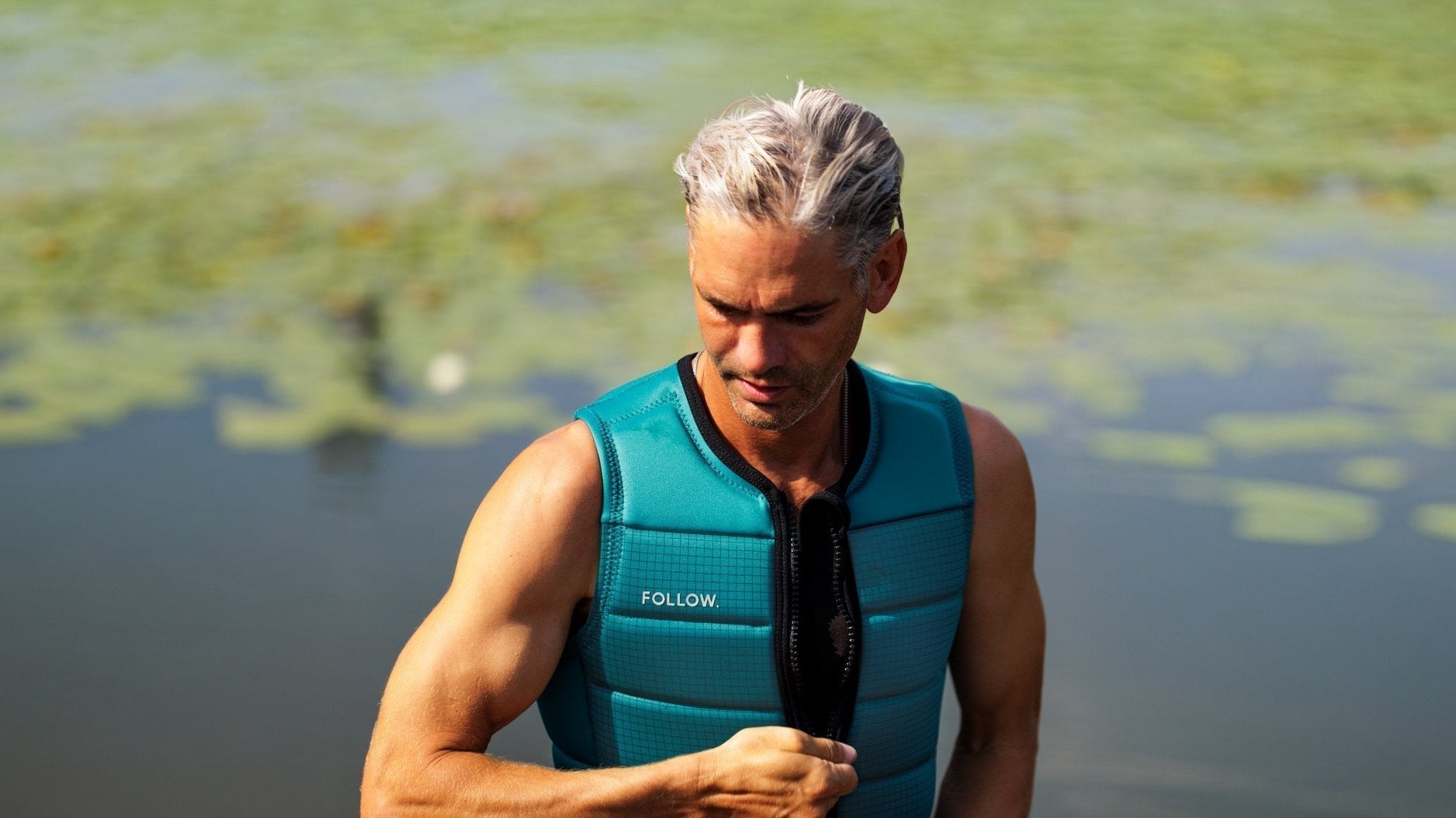
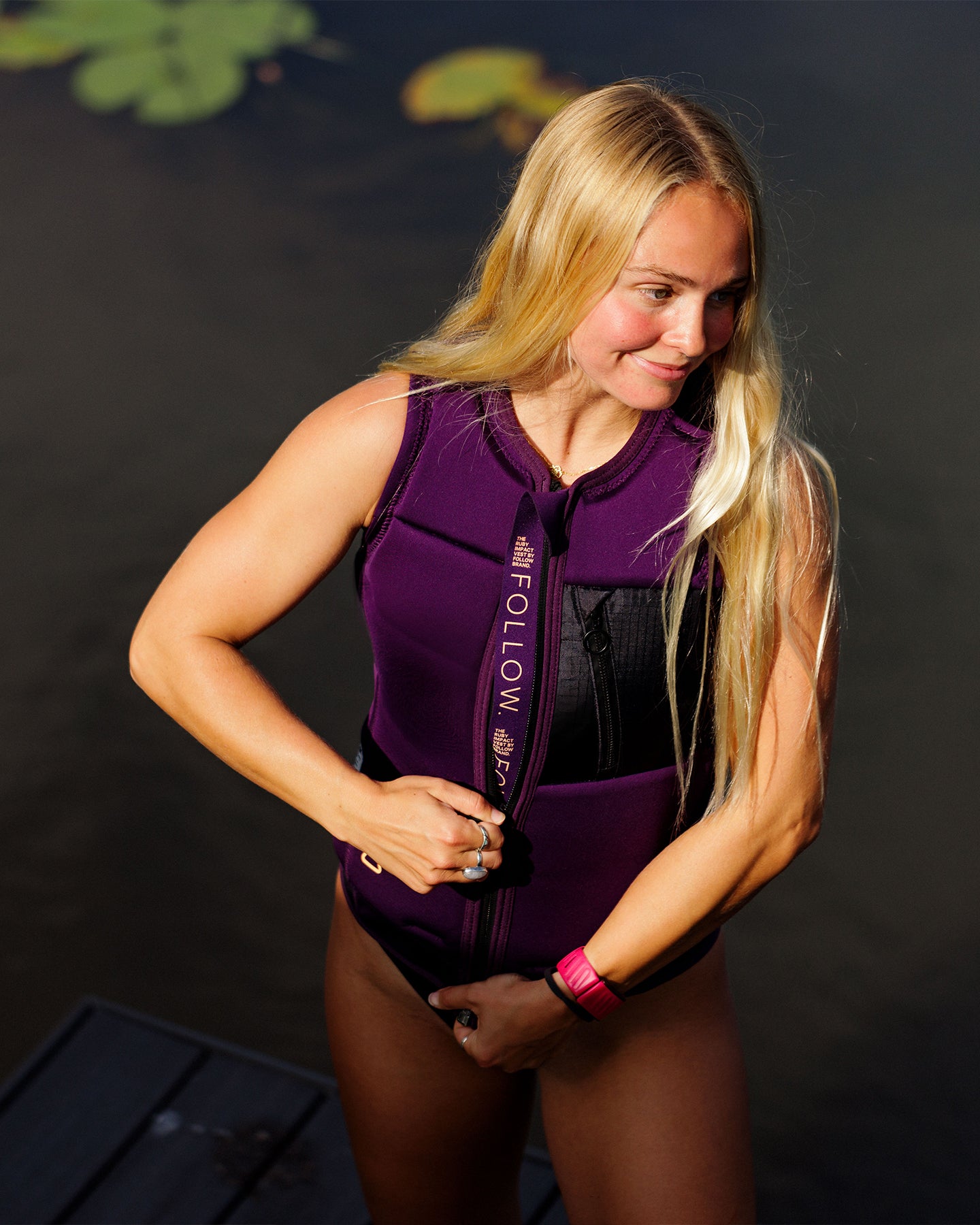
That’s a big part of what drew me to Follow. It represents more than just great gear. When you put on a Follow vest or wetsuit or grab a Follow rope and handle, you feel like you’re part of a community of riders who truly embrace what the brand stands for. That’s also the mission we carry forward, to lead by example, share the sport we love, and represent the brands that stand behind that purpose.
Kirby’s School of Wake represents what matters most in this sport. Time on the water, strong coaching, and a community that keeps riders coming back. That commitment is exactly why we are proud to support Kirby Liesmann and Kirby’s School of Wake, supplying the vests, handles, and lines used day after day behind the boat. It is about backing the people who grow the sport from the ground up and investing in the next generation of riders who step onto the water for the first time.